
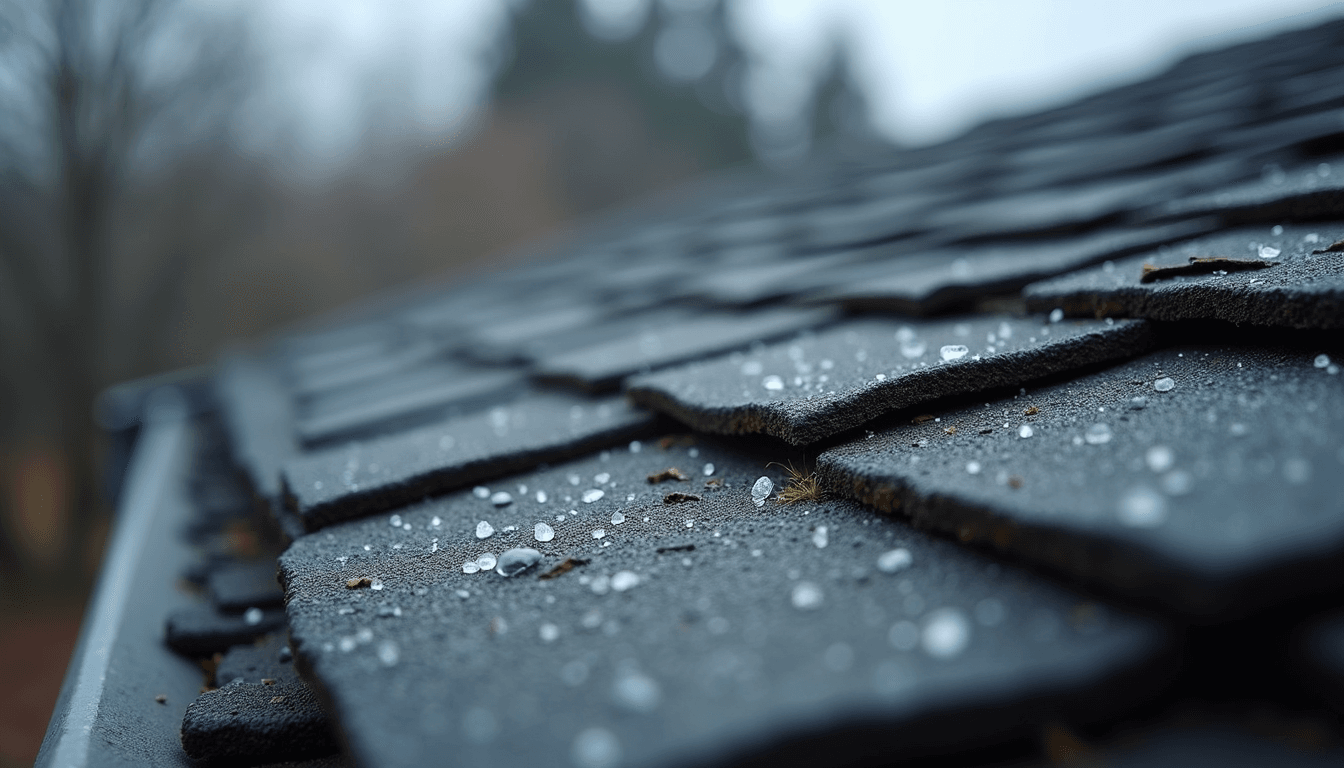
Hailstorms can strike unexpectedly, leaving behind a trail of damage that affects roofs, siding, windows, and vehicles. When hail hits, the aftermath can be overwhelming. But we don’t have to face it alone. By understanding the hail damage repair process and exploring efficient solutions, we can restore our homes and properties with confidence and care. Let’s dive into practical steps and expert advice to tackle hail damage effectively. Understanding the Hail Damage Repair Process The first step in any hail damage repair process is a thorough inspection. We need to assess the extent of the damage carefully. This means looking for dents, cracks, broken shingles, and any other signs that hail has compromised the integrity of our property. A professional inspection can reveal hidden issues that might not be obvious at first glance. Once the damage is identified, the next phase involves documenting everything for insurance purposes. Taking clear photos and detailed notes helps us communicate effectively with insurance adjusters. This documentation is crucial to ensure we receive the coverage needed to repair the damage. After insurance approval, the actual repair work begins. Depending on the severity, repairs might include: Replacing damaged shingles or siding Fixing broken windows or screens Repairing dents on gutters and downspouts Addressing any water damage caused by leaks Each step requires skilled craftsmanship and quality materials to restore our homes to their original condition or better. Choosing the Right Materials and Techniques Selecting the right materials is key to a successful hail damage repair process. We want durable, weather-resistant options that can withstand future storms. For roofing, impact-resistant shingles rated for hail protection are a smart choice. These shingles reduce the risk of future damage and can even lower insurance premiums. For siding, materials like fiber cement or metal panels offer excellent durability. They resist dents and cracks better than vinyl or wood, making them ideal for hail-prone areas. When it comes to windows, impact-resistant glass or storm windows provide an extra layer of protection. Using modern repair techniques also improves efficiency. Paintless dent repair (PDR) is a popular method for fixing minor dents on metal surfaces without repainting. This technique saves time and money while preserving the original finish. The Role of Professional Hail Damage Repair Services When hail damage occurs, it’s tempting to try DIY fixes. However, professional hail damage repair services
bring expertise and experience that make a significant difference. They understand local building codes, insurance processes, and the best materials for our region. Professionals can also spot underlying issues that might be missed by untrained eyes. For example, hail can cause subtle cracks that lead to water infiltration and mold growth if left untreated. Early detection and repair prevent costly problems down the line. Working with trusted contractors ensures the repair process is smooth and stress-free. They handle everything from inspection and documentation to final repairs, allowing us to focus on what matters most. Preventative Measures to Minimize Future Hail Damage While we can’t control the weather, we can take steps to protect our homes from future hail damage. Here are some practical tips:
Install impact-resistant roofing and siding materials
These products are designed to absorb hail impact without significant damage.
Use protective window coverings
Storm shutters or impact-resistant glass can shield windows during hailstorms.
Maintain your property regularly
Keeping gutters clean and trimming overhanging branches reduces the risk of additional damage.
Consider landscaping strategically
Planting trees and shrubs in the right places can act as natural barriers against hail.
Invest in a quality roof inspection annually
Early detection of wear and tear helps maintain your home’s resilience. By implementing these measures, we reduce repair costs and increase our home’s longevity. Navigating Insurance Claims for Hail Damage Repairs Dealing with insurance claims can be daunting, but understanding the process helps us advocate for ourselves effectively. Here’s a straightforward approach:
Report the damage promptly
Contact your insurance company as soon as possible after the storm.
Provide detailed documentation
Submit photos, repair estimates, and inspection reports.
Schedule an adjuster visit
Be present during the inspection to point out all damage.
Review the settlement offer carefully
Ensure it covers all necessary repairs.
Work with your contractor
They can provide professional estimates and, once you’ve signed a contract, walk your insurer through the scope of repairs. Remember, insurance policies vary, so knowing your coverage details is essential. If needed, don’t hesitate to seek advice from professionals experienced in hail damage claims. Moving Forward with Confidence Hail damage can feel overwhelming, but with the right knowledge and support, we can restore our homes efficiently and effectively. By understanding the hail damage repair process, choosing durable materials, relying on expert services, and taking preventative steps, we protect our investments and enjoy peace of mind. If you’re facing hail damage, consider reaching out to trusted hail damage repair services
to guide you through every step. Together, we can ensure your home remains a safe, beautiful haven for years to come.